Anatoly is legit and he doesn’t use fake weights. The loads in his videos match the verified competition records of Vladimir Shmondenko, the Ukrainian powerlifter behind the viral gym pranks.
As a certified personal trainer with over eight years coaching strength athletes, I’ve watched more than 40 of his videos breaking down technique and movement patterns. The math always checks out.
Here you’ll find his verified lift numbers, the physiology behind why elite powerlifters look ordinary in street clothes and a straight breakdown of what is and isn’t staged in his content.
Quick Summary
- Anatoly’s verified deadlift PR is 639 lbs at roughly 170 lbs bodyweight.
- His lifts are genuine. Bystander reactions may be staged, though earlier videos appear more organic.
- Anatoly is a textbook example of why powerlifter physiques don’t show strength the way bodybuilder physiques do.
Who Is Anatoly? The Real Person Behind the Character
View this post on Instagram
The man behind the “Anatoly” YouTube persona is Volodymyr (Vladimir) Shmondenko, born August 10, 1999 in Khrystynivka, Ukraine. He grew up on a cattle farm with basically zero gym access.
Shmondenko built his first training setup from tractor parts, bricks, car wheels and wooden beams. His diet during adolescence centered on farm staples like cottage cheese, eggs and meat across up to seven meals a day.
His competitive credentials are real. He won the Kyiv Cup twice in the teenager division (2017, 2018), placed third at the GPA World Championships in 2018 in the 18-19 age category and earned Master of Sports of International Class in powerlifting in 2020.
He holds the title of Master of Sports of International Class in Powerlifting and has trained alongside renowned powerlifters including Larry Wheels.
After building his competition career, Shmondenko moved to Moscow and then Dubai, growing a YouTube and social media following that now totals tens of millions.
The “Anatoly” character, complete with a wig, glasses and blue janitor overalls, became his signature look for gym prank content.
Are the Weights Real? The Direct Answer
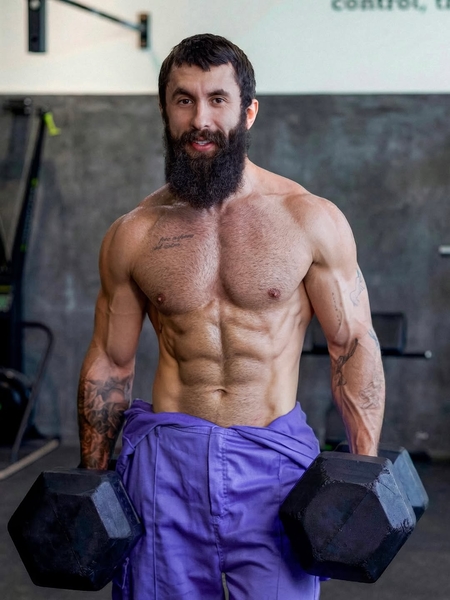
After watching dozens of his videos, I never once saw him attempt a load that exceeded what his documented lifting history shows he can handle.
His verified personal records are a 639 lb (290 kg) sumo deadlift and a 463 lb (210 kg) squat, both at roughly 170 lbs (77–78 kg) bodyweight. That’s approximately 3.7x and 2.7x bodyweight respectively. High output, but entirely plausible given his background.
Getting stronger isn’t just about getting bigger. Your nervous system also learns to fire more muscle fibers at once and coordinate them more effectively. In elite powerlifters, neural adaptation can account for as much of their strength as muscle size does [1].
That explains how a 170 lb athlete can lift loads that untrained observers assume are impossible.
Why Powerlifters Don’t Look How Strong They Are
View this post on Instagram
People find Anatoly unbelievable because of the gap between powerlifter and bodybuilder physiques.
Bodybuilders train primarily for hypertrophy, meaning they focus on maximizing visible muscle size through higher rep ranges, isolation exercises and techniques that create metabolic stress.
Powerlifters train for maximum force output through heavy compound movements at lower rep ranges, which builds strength without a proportional increase in muscle size.
A 2018 review in Sports Medicine by Suchomel and colleagues found that muscular strength depends on factors beyond cross-sectional muscle area, including rate of force development, motor unit recruitment and intermuscular coordination [2].
In other words, an athlete can be far stronger than they look. They’ve built efficiency in the muscle they already have rather than adding more of it. That’s why Shmondenko, lean and not particularly bulky, can deadlift nearly 4x his bodyweight.
“There are a fair amount of people who get interested in powerlifting and maybe get their deadlift up to four or five hundred pounds and still don’t even look like they lift.”
Greg Nuckols, M.A. in Exercise Science
What’s Actually Staged and What Isn’t?
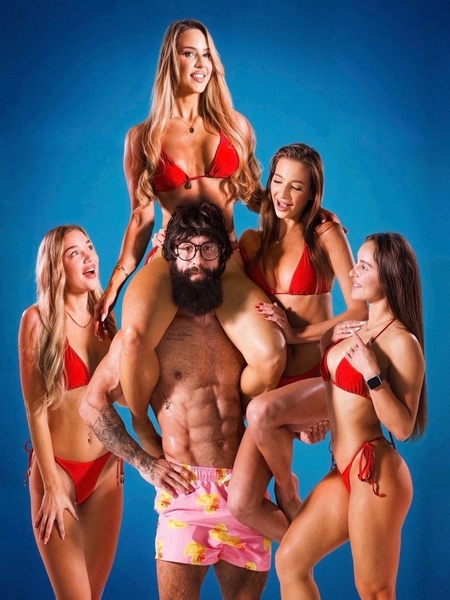
One reason some viewers suspect the weights are fake is the visual bulk of the plates. Anatoly often uses thick bumper plates, which can make lighter loads look heavier.
That said, the real debate around Anatoly isn’t whether he can lift. It’s whether the prank side of his videos is genuine.
His setup involves a deliberate disguise, a wig, glasses and blue janitor overalls designed to make gym-goers think a random cleaner is about to embarrass himself. The props include a custom 32 kg mop and 32 kg bucket that are genuinely heavy and reinforce the “humble worker” character.
In earlier videos, before Shmondenko became widely recognizable, the reactions look more genuine.
In more recent content, they’re likely coordinated. With tens of millions of followers and a recognizable face, capturing truly spontaneous reactions becomes difficult. The setup, from location to camera placement, is planned for effect.
That doesn’t mean he’s faking the lift. It means he’s working within an entertainment format. The deadlift is real. The shocked onlooker may have signed a release form beforehand.
Can You Achieve the Same Results and How Long Would It Take?
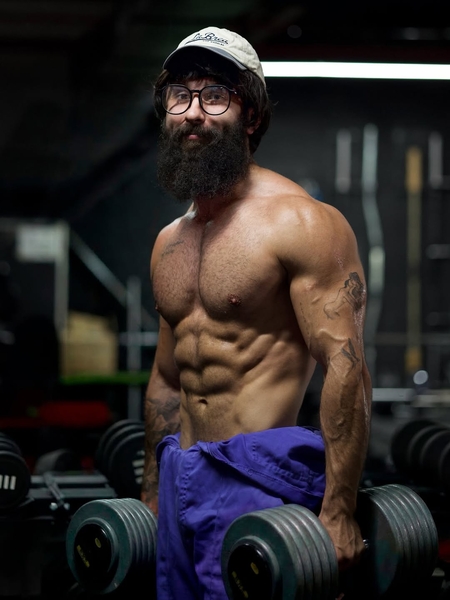
The whole idea behind his prank videos comes down to this: nobody gets to put a ceiling on what you’re capable of. And he proves it through training. The gap between a total beginner and someone seriously strong is smaller than most people assume.
With 12 to 18 months of steady training, pulling 2x bodyweight is a realistic target. Reaching 3x takes multiple years and most serious lifters get there somewhere between year three and year five. Getting into Anatoly’s range requires elite consistency held over a decade or more.
Early gains come fast, though. Your nervous system adapts before your muscles even have time to grow. That same neural efficiency that makes Anatoly look effortless starts building from your very first session.
Your timeline isn’t decided by genetics or starting strength. It comes down to three things. Show up consistently, eat enough protein and add weight to the bar over time. Shmondenko built his base on a cattle farm using improvised equipment. The tools matter far less than the routine.
FAQ
1. Is Anatoly a Real Powerlifter?
Yes. His real name is Volodymyr Shmondenko and he holds the titles of International Master of Sports in Deadlift and Master of Sports in Powerlifting.
2. What Are Anatoly’s Real Personal Records?
A 639 lb (290 kg) sumo deadlift and a 463 lb (210 kg) squat, both posted on his Instagram. He hit those numbers at roughly 170 lbs bodyweight, which puts him in genuinely elite territory for his size.
3. How Much Does Anatoly Earn from YouTube?
Anatoly earns between $289.5K and $396.6K annually from YouTube. As of March 2026, his main channel has over 9 million subscribers.
Conclusion
Most people, including plenty of experts, agree that Anatoly’s strength is real even if it looks impossible at first glance. But the prank side of his videos is mostly scripted. The reactions and setups are far less off-the-cuff than they appear on screen.
A 639 lb deadlift at 170 lbs bodyweight doesn’t happen by accident. Years of smart training, good nutrition and consistent supplementation get you there. If being strong matters more to you than looking strong, study how Anatoly trains and don’t miss a session.
If you want to cover the supplementation side, our 5 Best Creatine Supplements guide breaks down the top options so you can make an informed choice.
References:
- https://pmc.ncbi.nlm.nih.gov/articles/PMC12183069/
- https://pubmed.ncbi.nlm.nih.gov/29372481/
About The Author

You May Also Like