Protein coffee went from gym-bro hack to a real product category fast. The idea here is to combine caffeine's energy kick with enough protein to make the drink do actual work. You can take it as a post-workout fuel or drink it on the go as a morning meal.
Over the past three years I tested dozens of protein coffee products. Whey powders, plant-based ready-to-drink bottles, collagen blends, RTD shakes. Most overpromise, but a handful really deliver.
This guide covers which products held up in testing, which are worth the price and which ones I'd skip.
Best Protein Coffee at a Glance
Here are the protein coffee products that stood out during testing.
- Transparent Labs Protein Coffee - Best Overall Protein Coffee
- CLICK Coffee Protein Powder - Best for Flavor Variety
- Slate High Protein Iced Coffee - Best Ready-to-Drink
- OWYN Cold Brew Coffee - Best Plant-Based Option
- Premier Protein Café Latte - Best Affordable Protein Coffee
Our Top Protein Coffee Products (September 2026)
1 - Transparent Labs Protein Coffee (Best Overall Protein Coffee)
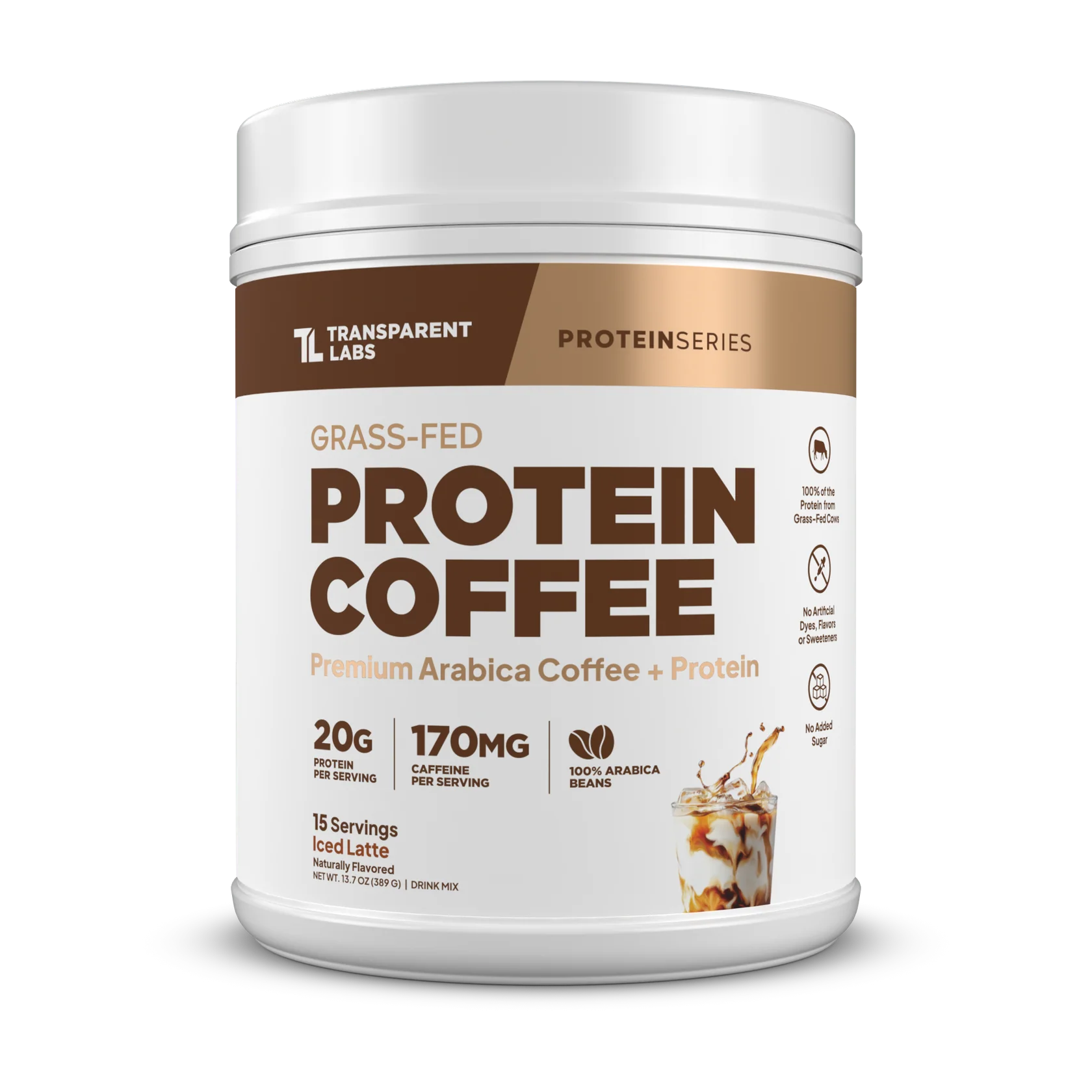
- Main ingredients : 20g grass-fed whey protein isolate, 170mg Arabica coffee caffeine
- Servings per container : 15
- Price per serving : ~$2.40 (subscription)
Pros and Cons
Pros
- Premium Arabica coffee tastes really good
- 20g grass-fed whey protein isolate for rapid absorption and muscle building
- No artificial sweeteners, colorings, or preservatives
- Naturally sweetened with stevia and monk fruit for clean sweetness
Cons
- Higher price point compared to budget alternatives
Final Verdict
Protein Coffee sets the standard by pairing premium Arabica coffee with grass-fed whey protein isolate. You get real coffee flavor and clean nutrition in one cup, with no artificial additives cutting corners.
This tastes like real coffee, not a protein shake with coffee flavoring added after the fact. The Iced Latte flavor reminded me of a proper café drink. It was smooth, lightly sweet and had zero chalky texture.
Energy levels stayed consistent for hours. No crash. The 170mg caffeine content hit the sweet spot, clear alertness without jitters. Mixing was easy with a shaker bottle and even better with a handheld frother for that café-style foam.
Within two weeks, morning workout recovery improved. The 20g of whey protein isolate absorbed fast and I noticed less muscle soreness compared to the weeks I was drinking regular coffee with a separate breakfast.
2 - CLICK Coffee Protein Powder (Best Flavors)
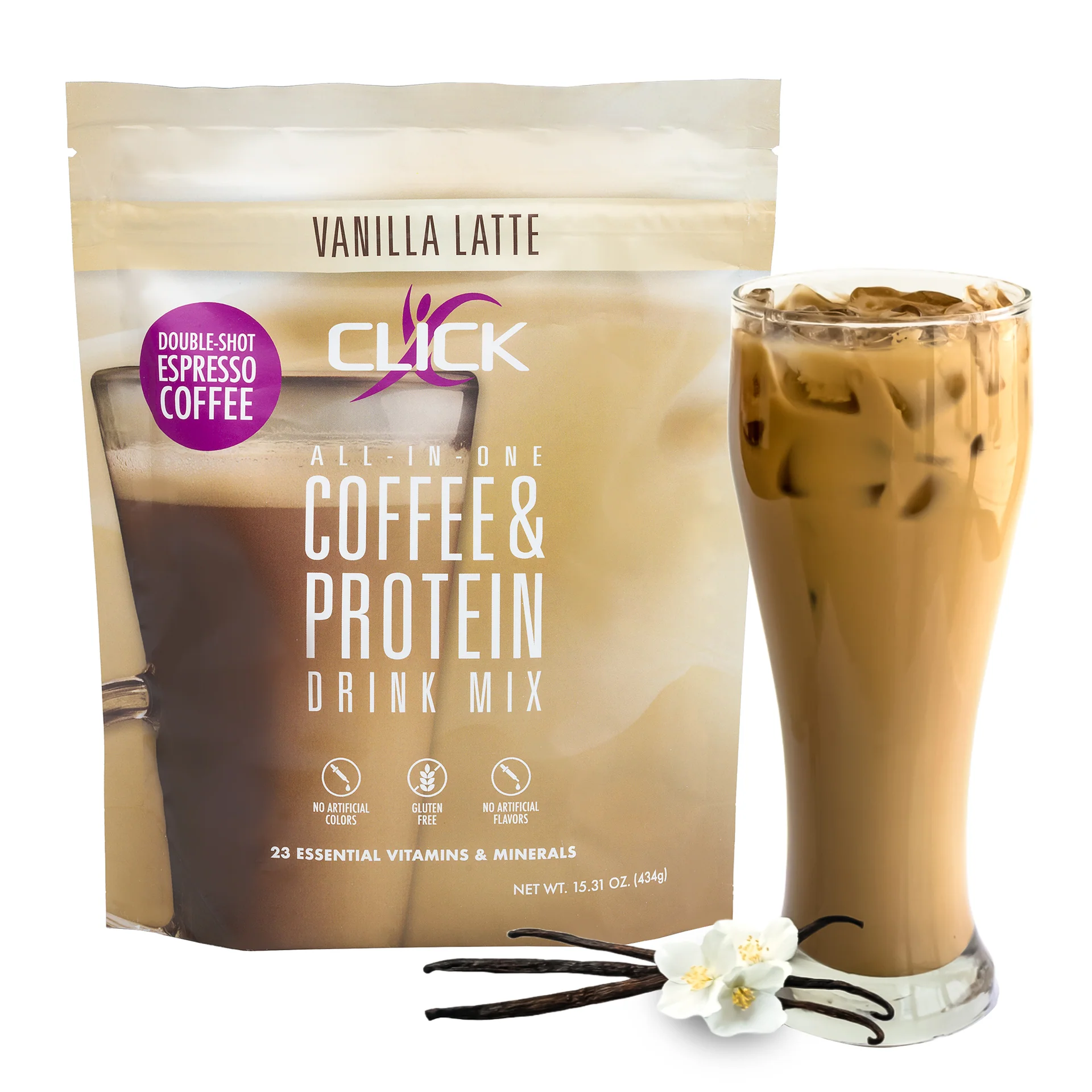
- Main ingredients : Whey protein blend, real espresso, vitamins
- Servings per container : 14-28 (varies by size)
- Price per serving : Mid-range
Pros and Cons
Pros
- Wide flavor selection including mocha flavor, vanilla latte and caramel
- Uses real espresso for genuine coffee taste
- Added vitamins and minerals for nutritional completeness
Cons
- Certain flavors contain artificial ingredients
Final Verdict
CLICK delivers real flavor variety backed by real espresso. If you want a different coffee protein experience Monday through Friday without buying five different products, this is the one.
I liked the mocha flavor. Chocolatey, sweet and indulgent without being cloying. Mixed well with cold water and produced a smooth iced coffee texture with no grittiness. The caffeine content kept energy up through busy mornings without the familiar mid-afternoon drop.
CLICK uses real espresso instead of artificial coffee flavoring and the coffee taste difference is immediately noticeable. Each serving delivers around 16g of protein, which covers muscle mass maintenance and post-workout recovery at a decent per-serving cost.
3 - Slate High Protein Iced Coffee (Best Ready-to-Drink)
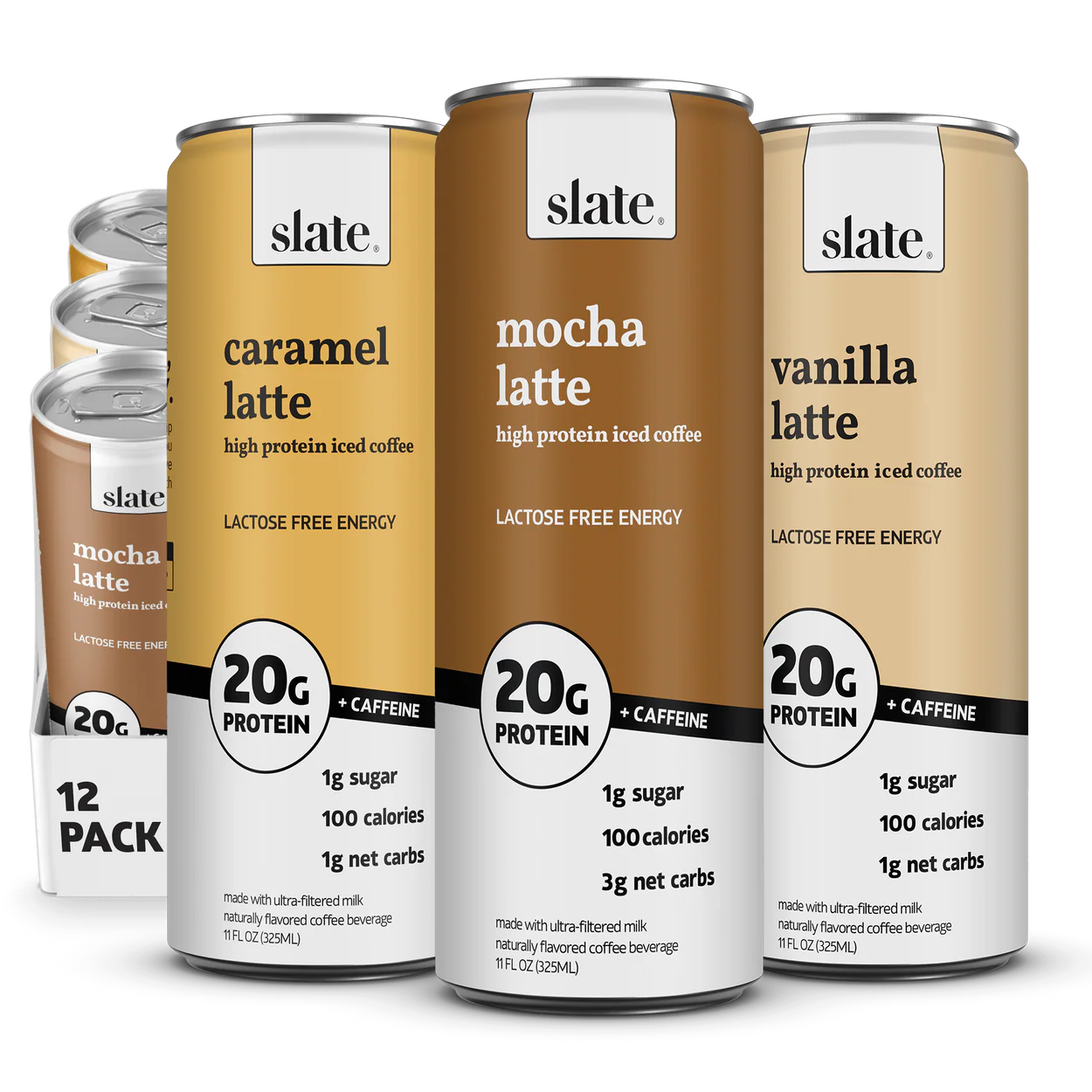
- Main ingredients : 20g milk protein, 175mg caffeine, lactose-free
- Servings per container : 1 (RTD bottle)
- Price per serving : Premium (RTD convenience)
Pros and Cons
Pros
- Zero prep required: grab it and go
- 20g protein matches most powdered alternatives
- Smooth, creamy texture without chalkiness
Cons
- Higher cost per serving due to the ready-to-drink format
Final Verdict
Slate is the best ready-to-drink protein coffee on this list. The convenience is real, the protein content matches what you'd expect from a powder and it actually tastes like iced coffee.
The Mocha Latte flavor tasted like a café drink, not a supplement with coffee added to it. At 175mg caffeine, the energy was clean and steady. The 20g protein kept me full through lunch without any digestive issues, even on an empty stomach. That lactose-free formula matters more than you'd think if you're training fasted.
Slate uses ultra-filtered milk to achieve a creamy mouthfeel while remaining 100% lactose-free, with 20g of protein and only 1g of sugar per bottle. The caffeine content is on par with a strong cold brew coffee, so this can replace both your morning coffee and your protein shake in one bottle.
4 - OWYN Cold Brew Coffee (Best Plant-Based Option)
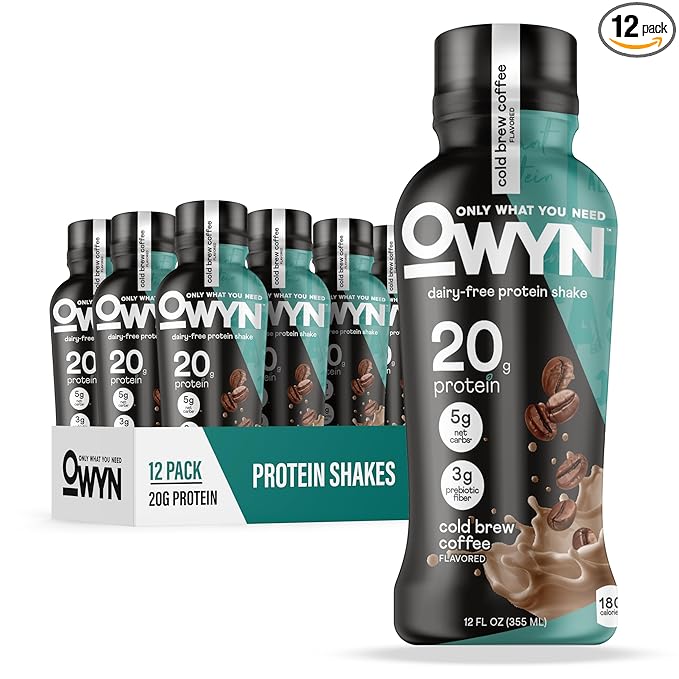
- Main ingredients : OWYN Protein Blend (pea protein, organic pumpkin seed protein, organic flax oil), cold brew coffee extract, soluble fiber
- Servings per container : 1 (RTD bottle)
- Price per serving : Mid-to-premium range
Pros and Cons
Pros
- Completely dairy-free and allergen-friendly
- Smooth plant-based protein without the legume aftertaste
- Flax oil for added energy
Cons
- Slightly thicker texture than whey-based options
Final Verdict
OWYN proves plant-based protein coffee can hold its own. Dairy-free, allergen-friendly and the cold brew coffee flavor is the real thing. It's the best plant-based option on this list by a clear margin.
The cold brew flavor was strong and full, not watered down. The texture was thicker than whey options, but it was smooth rather than gritty, which is the failure mode for most pea protein drinks.
Energy levels stayed steady throughout the afternoon. The omega-3-rich flax oil seemed to sharpen focus during desk work in a way regular coffee alone doesn't.
OWYN's pea protein blend is formulated to cover the essential amino acids that single plant proteins typically miss. OWYN does not contain MCT oil [1].
5 - Premier Protein Café Latte (Best Affordable Protein Coffee)
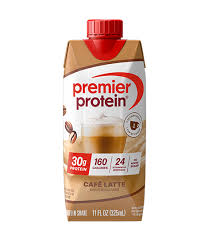
- Main ingredients : 30g milk protein blend, 100mg caffeine
- Servings per container : 1 (RTD shake)
- Price per serving : Very budget-friendly
Pros and Cons
Pros
- Excellent protein value at 30g per serving
- Widely available at grocery stores and warehouse clubs
- Highest protein content on this list
Cons
- Artificial sweeteners make it noticeably sweeter than most competitors
Final Verdict
Premier Protein Café Latte wins on value. Thirty grams of protein per serving at a price point most competitors can't touch. The sweetness is a real trade-off, but if your goal is more protein per dollar, this is where you end up.
The sweetness was more pronounced than I like, but the 30g protein delivered real satiety through the morning. The 100mg caffeine is low enough that you can stack it with your regular morning coffee without overdoing it. For the price, the muscle recovery effect was solid.
At 30g per serving, Premier Protein Café Latte exceeds the leucine threshold for muscle protein synthesis by a comfortable margin [2]. The lower caffeine content actually makes it practical for people who already drink hot coffee in the morning and don't want to stack 300mg before noon.
How We Tested the Best Protein Coffee Products
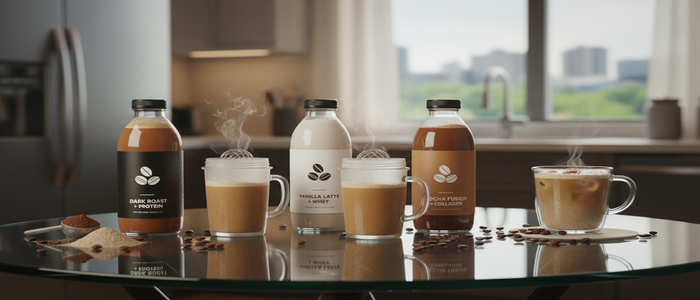
Our testing covered five areas that actually matter in day-to-day use.
Effectiveness
We tracked satiety, sustained energy and post-workout recovery over several weeks of controlled morning consumption across nine clients. We compared feedback against published research on protein timing and caffeine performance to check whether claimed benefits held up.
Ingredients
We assessed protein sources for bioavailability and amino acid profiles. We checked whey protein isolate, plant-based blends and collagen options for leucine content and whether they hit the 2.5-3g leucine threshold tied to muscle protein synthesis [3].
We checked every label for proprietary blends, which are a red flag because you can't verify the dose of any individual ingredient.
Taste
We tested powders in cold water and almond milk. We evaluated RTD options for coffee flavor authenticity, texture and whether the sweetness felt balanced or overdone. We marked down products that left grit or clumped.
Price
We calculated cost per gram of protein for every product and compared them within the same format category. We weighed ingredient quality and protein content against the price.
What Is a Protein Coffee?
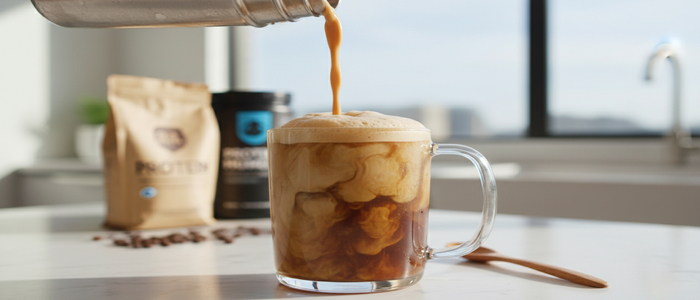
A protein coffee is a drink that combines coffee, whether brewed, instant, or cold brew, with a protein source like whey, plant-based protein, or collagen. The goal is to increase the protein content in a cup of coffee enough to make it function as a meal or a recovery drink.
Two things happen when you drink one. The caffeine handles energy and alertness. The protein covers muscle repair, satiety and blood sugar management. Products fall into two main categories. You either buy ready-to-drink shakes or powders you mix yourself.
Formulated protein coffee differs from dumping whey protein into your hot coffee. Whey protein does not mix well with hot coffee because the heat causes clumping. Products designed for hot water use collagen or other proteins that dissolve cleanly at high temperatures.
What Ingredients to Look for in a Protein Coffee
Five ingredients separate a formula worth buying from one that's mostly marketing:
- Whey protein isolate - The top choice for absorption and muscle building. Whey isolate runs over 90% protein by weight with high leucine content, which triggers muscle protein synthesis. Bioavailability beats other protein sources consistently in the research [4].
- Grass-fed protein sources - Grass-fed whey means a cleaner profile with better omega fatty acid ratios and fewer additives. Worth paying for if you're drinking one of these every morning.
- Natural caffeine from real coffee - Products using real espresso or cold brew coffee taste better than anything built on artificial coffee flavoring. Look for Arabica coffee beans for the smoothest delivery.
- Natural sweeteners - Stevia and monk fruit keep added sugar out without hitting you with artificial sweeteners. These help with blood sugar management and avoid the insulin spikes that come with sugar-heavy drinks.
- Collagen protein - The best option for mixing into hot coffee. Collagen peptides dissolve without clumping, without changing the flavor and without changing the texture [5]. They also support joint and skin health alongside your protein goals.
"Rapidly digested proteins that contain high proportions of essential amino acids and adequate leucine, are most effective in stimulating muscle protein synthesis." — Dr. Stuart Phillips, Research Chair
What Are the Benefits of Protein Coffee?
Done right, protein coffee covers energy, recovery and satiety in a single drink.
Here's what you actually get:
- Sustained energy without the crash - Protein slows caffeine absorption by slowing gastric emptying. You get steady energy instead of a spike and a drop [6].
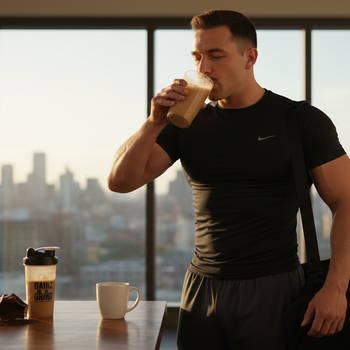

- Muscle building and recovery support - Most protein coffees deliver 20-30g of protein per serving, which meets the leucine threshold for muscle protein synthesis [7]. Practical as post-workout fuel or a morning muscle maintenance strategy.
- Keeps you full longer - Protein at breakfast suppresses hunger hormones and cuts how much you eat later in the day [8]. Caffeine and protein together cover both energy and appetite.
- Convenient breakfast alternative - One protein shake replaces a full breakfast and a separate cup of coffee. For a 5:30am workout followed by a commute, that's a real time save.
- May help with weight loss - Protein preserves lean muscle mass during a calorie deficit [9]. Caffeine has a mild thermogenic effect. Useful as part of a daily routine, but it works alongside good nutrition and training, not instead of it [10].
What Are the Potential Side Effects?
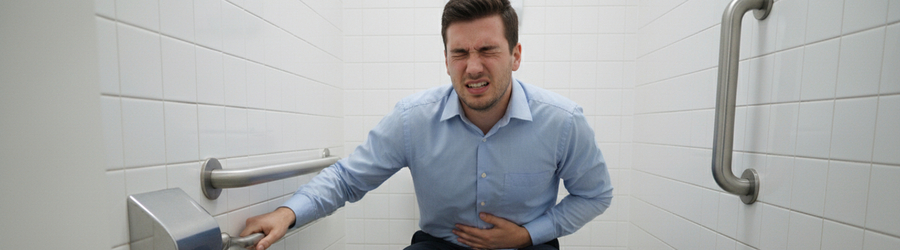
Most people tolerate protein coffee well, but there are four things worth knowing before you make it a daily habit:
- Digestive discomfort - Whey protein can cause bloating on an empty stomach. If that's you, try a lactose-free product or switch to a plant-based protein.
- Caffeine sensitivity - Products at 150-200mg caffeine will cause jitters or disrupt sleep in people who are sensitive. Check the label.
- Sweetness - Most protein coffee products are noticeably sweeter than regular coffee. If you drink yours black, expect an adjustment.
- Dairy reactions - Whey-based products can cause issues if you're lactose intolerant. Look for lactose-free labeling or go plant-based.
How to Get the Most Out of Protein Coffee
Do these small adjustments to make protein coffee work even better for you:
- Timing - Morning or 30-60 minutes pre-workout is the sweet spot. After 3pm, the caffeine content will likely interfere with sleep.
- Mixing - Use cold water or almond milk, not hot coffee, unless the product is built for hot water. A shaker bottle or frother keeps it smooth and clump-free.
- Pair with training - Protein coffee supports muscle mass, but resistance training is what triggers synthesis. The protein supplies the raw material; you still have to lift.
- Start gradually - New to protein coffee? Half a serving first. The caffeine and protein combined can cause digestive issues until your body adjusts.
- Keep it in context - Use it as part of a real diet. Whole foods supply micronutrients a protein shake won't cover.
FAQs
Is protein coffee actually good for you?
Protein coffee is actually good for you when the formula is solid and used as part of a balanced diet. The combination of protein and caffeine supports energy, satiety, and muscle recovery in one drink. Products with clean ingredient lists and clinical protein doses are worth the price.
Is protein powder safe to take while on tirzepatide?
Protein powder is generally safe to take while on tirzepatide, but you must consult your prescribing physician before adding anything new. Tirzepatide significantly reduces appetite, making daily protein goals harder to hit, and a protein shake can help maintain adequate intake. Tirzepatide also affects gastric emptying, so tolerance may vary.
What is the best protein drink to put in coffee?
The best protein drink to put in coffee is collagen protein. Collagen peptides dissolve completely in hot water without clumping or altering flavor. Whey protein clumps when exposed to heat. For iced or cold brew coffee, whey protein isolate works well and delivers a stronger amino acid profile for muscle protein synthesis.
What is the best protein powder for cirrhosis?
The best protein powder for cirrhosis depends entirely on individual labs and clinical status, not a supplement guide. Liver disease changes how the body processes protein - some need higher intake to counter muscle wasting, others need restrictions. Consult a hepatologist or registered dietitian first.
Our Verdict on the Best Protein Coffee
After three years of testing, Transparent Labs Protein Coffee is where I'd point most people first. Tastes like a real coffee drink and its ingredients justify the price if you're drinking one every morning.
If you want zero prep, Slate is the grab-and-go pick. For the lowest cost-per-gram of protein on this list, Premier Protein Café Latte wins. OWYN is the one I'd recommend to anyone avoiding dairy entirely.
But if none of those constraints apply to you, come back to Transparent Labs. The formula is cleaner, the coffee flavor is more convincing and ever since my testing, it's still the one I reach for regularly.
Our #1 Recommendation
Transparent Labs Protein Coffee (Best Overall Protein Coffee)
Rated With Total Shape's Scoring System

- Premium Arabica coffee tastes really good
- 20g grass-fed whey protein isolate for rapid absorption and muscle building
- No artificial sweeteners, colorings, or preservatives
- Naturally sweetened with stevia and monk fruit for clean sweetness
- Get the BEST PRICE until the end of September
- Higher price point compared to budget alternatives
References
- https://www.ncbi.nlm.nih.gov/pmc/articles/PMC6213197/
- https://www.frontiersin.org/journals/nutrition/articles/10.3389/fnut.2021.685165/full
- https://pmc.ncbi.nlm.nih.gov/articles/PMC10400406/
- https://pmc.ncbi.nlm.nih.gov/articles/PMC10223081/
- https://www.healthline.com/nutrition/collagen-for-coffee
- https://pmc.ncbi.nlm.nih.gov/articles/PMC1282504/
- https://www.ncbi.nlm.nih.gov/pmc/articles/PMC5697397/
- https://pmc.ncbi.nlm.nih.gov/articles/PMC12612008/
- https://www.degruyter.com/document/doi/10.1515/jbcpp-2016-0090/html
- https://pubmed.ncbi.nlm.nih.gov/26817506/
About The Author


You May Also Like